
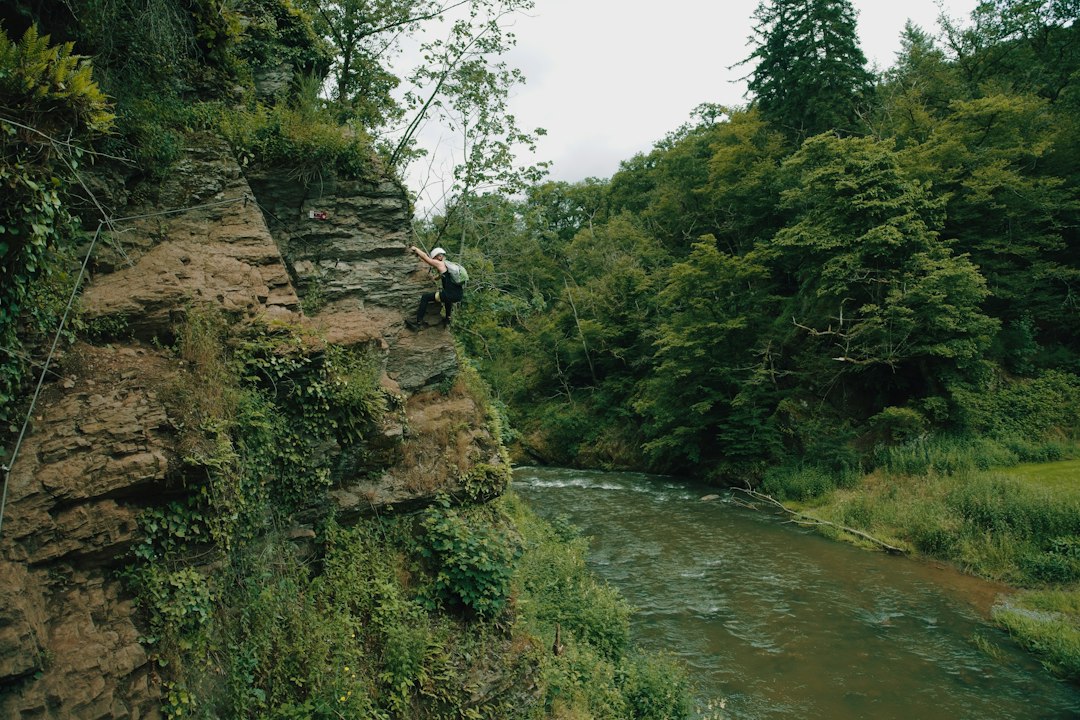
When embarking on an adventure, whether it’s hiking, climbing, or kayaking, the right safety gear can make all the difference between a thrilling experience and a dangerous situation. At exploreadventuregear.com, we understand the importance of being prepared for the unexpected. This article outlines essential safety gear that every adventurer should carry to ensure a safe and enjoyable outing.
First Aid Kit
A well-stocked first aid kit is a non-negotiable item for any adventurer. It should include bandages, antiseptic wipes, gauze, adhesive tape, and pain relievers. Depending on your adventure, consider adding items like a snake bite kit or a splint. Regularly check your kit to ensure that supplies are not expired and that you have everything you need for your specific activities.
In addition to the basic supplies, familiarize yourself with how to use each item in your first aid kit. Knowing how to treat common injuries such as cuts, scrapes, or sprains can be invaluable in the field. Consider taking a first aid course to enhance your skills and confidence in handling emergencies. This preparation can be the difference between a minor setback and a serious situation.
Navigation Tools
Getting lost in the wilderness can be a daunting experience, which is why navigation tools are essential. A reliable map and compass should always be part of your gear, even if you plan to use a GPS device. Technology can fail, and having traditional navigation tools ensures you can find your way back. Learn how to read a map and use a compass effectively before heading out.
In addition to a map and compass, consider carrying a portable GPS device or a smartphone with offline maps downloaded. These tools can provide additional security, especially in unfamiliar terrain. However, always have a backup plan and know how to navigate without electronic devices, as battery life can be unpredictable in remote areas.
Emergency Shelter
An emergency shelter is crucial for unexpected situations, such as getting caught in bad weather or being stranded overnight. Lightweight options like a bivy sack or emergency space blanket can provide warmth and protection from the elements. These items are compact and easy to carry, making them ideal for any adventure.
When selecting an emergency shelter, consider the climate and conditions you may encounter. A waterproof tarp can also serve multiple purposes, from creating a shelter to providing ground cover. Practice setting up your emergency shelter at home so you can do it quickly and efficiently in the field when time is of the essence.
Multi-tool or Knife
A multi-tool or a sturdy knife is an invaluable piece of gear for any adventurer. These tools can assist in a variety of tasks, from preparing food to making repairs on gear. Look for a multi-tool that includes a variety of functions, such as pliers, screwdrivers, and scissors, to maximize its utility.
When choosing a knife, consider the blade size and material, as well as the handle’s grip. A good knife should feel comfortable in your hand and be easy to use. Remember to keep your knife sharp and maintain it properly to ensure it performs well when you need it most.
Hydration System
Staying hydrated is vital during any adventure, and having a reliable hydration system is essential. Whether you prefer a water bottle, hydration pack, or water filtration system, ensure you have enough water for your trip. Dehydration can lead to fatigue and impaired judgment, so plan your water needs based on the duration and intensity of your activities.
Consider carrying a portable water filter or purification tablets, especially if you will be near natural water sources. This allows you to refill your hydration system safely. Always test your hydration system before heading out to ensure there are no leaks or malfunctions that could leave you without water.
Step-by-step plan:
Step 1: Assess your adventure type and environment to determine necessary safety gear. Step 2: Compile a comprehensive first aid kit tailored to your activities. Step 3: Invest in reliable navigation tools and practice using them. Step 4: Regularly check and maintain your gear to ensure readiness for any adventure.