
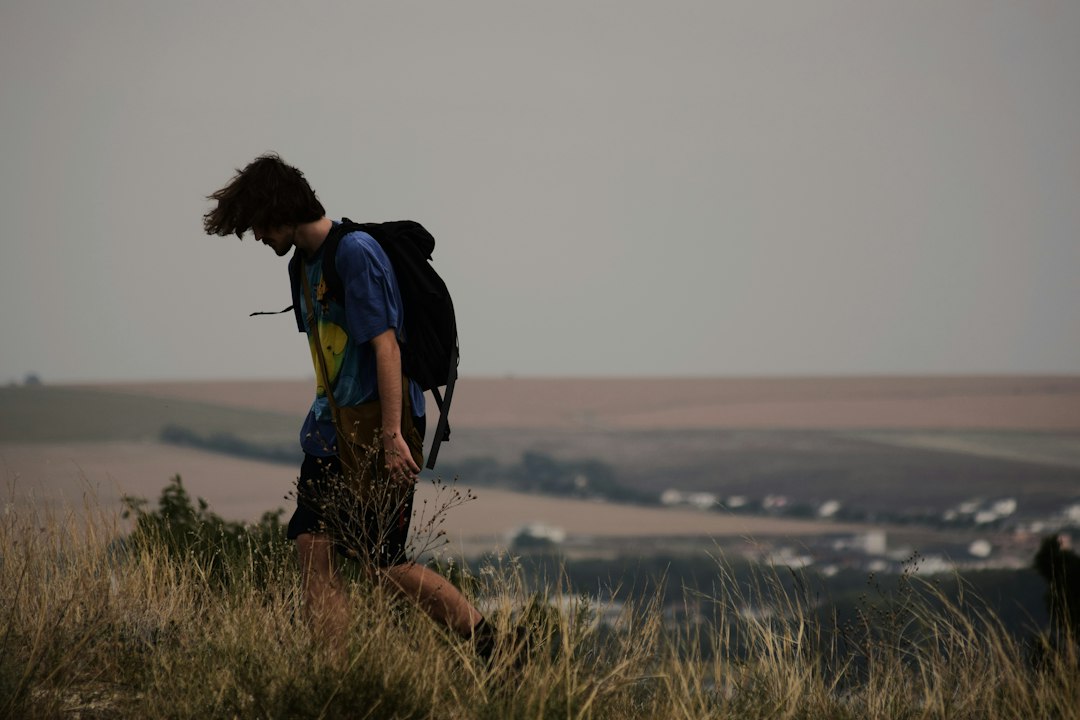
Choosing the right backpack for outdoor expeditions is crucial for ensuring comfort and efficiency during your adventures. With a plethora of options available, it can be overwhelming to find the perfect fit for your needs. This guide will walk you through the essential factors to consider when selecting a backpack, ensuring you make an informed decision that enhances your outdoor experience.
Understand Your Needs
The first step in choosing the right backpack is to understand your specific needs. Consider the type of activities you will be engaging in, such as hiking, camping, or climbing. Each activity may require different features, such as hydration systems for hiking or extra compartments for climbing gear. By identifying your primary use, you can narrow down your options significantly.
Additionally, think about the duration of your trips. A day hike may only require a smaller daypack, while multi-day expeditions will necessitate a larger backpack with ample storage. Knowing your needs will help you select a backpack that is both functional and comfortable, allowing you to focus on enjoying your adventure.
Choose the Right Size
Backpacks come in various sizes, and selecting the right one is essential for comfort and practicality. A general rule of thumb is to choose a backpack that can hold 20-30 liters for day trips and 50-70 liters for longer excursions. However, personal preference and body size also play significant roles in determining the right fit.
When trying on backpacks, pay attention to how they sit on your back and shoulders. The weight should be evenly distributed, and the pack should not sag or pull away from your body. Adjust the straps to find the most comfortable position, ensuring that you can move freely without any restrictions.
Consider the Features
Different backpacks come with various features that can enhance your outdoor experience. Look for adjustable straps, padded hip belts, and ventilation systems that promote airflow to keep you cool. These features can significantly impact your comfort during long hikes or climbs.
Additionally, consider pockets and compartments for organization. Some backpacks offer specialized pockets for water bottles, sleeping bags, or even electronics. Having easy access to your gear can save you time and frustration on the trail, making it easier to enjoy your adventure.
Test for Comfort
Before making a final decision, it’s crucial to test the backpack for comfort. Load it with weight similar to what you would carry on your expeditions and wear it for an extended period. This trial will help you assess how the backpack feels on your body and whether it causes any discomfort.
Pay attention to pressure points, especially on your shoulders and hips. If you notice any discomfort, consider trying a different model or size. Remember, a comfortable backpack can make all the difference in your outdoor experience, allowing you to focus on the beauty of nature rather than the pain of an ill-fitting pack.
Step-by-step plan:
Step 1: Identify the type of outdoor activities you will engage in. Step 2: Determine the duration of your trips to select the appropriate size. Step 3: Evaluate the features that will enhance your comfort and convenience. Step 4: Test the backpack with weight to ensure it fits comfortably.