Embarking on your first solo backpacking trip is an exhilarating experience that can transform your perspective on nature and self-reliance. However, preparation is key to ensuring that your adventure is both enjoyable and safe. In this guide, we will walk you through essential steps to get ready for your journey, focusing on gear, planning, and mindset. With the right approach, you can turn your solo backpacking dream into a reality.
Choosing the Right Gear
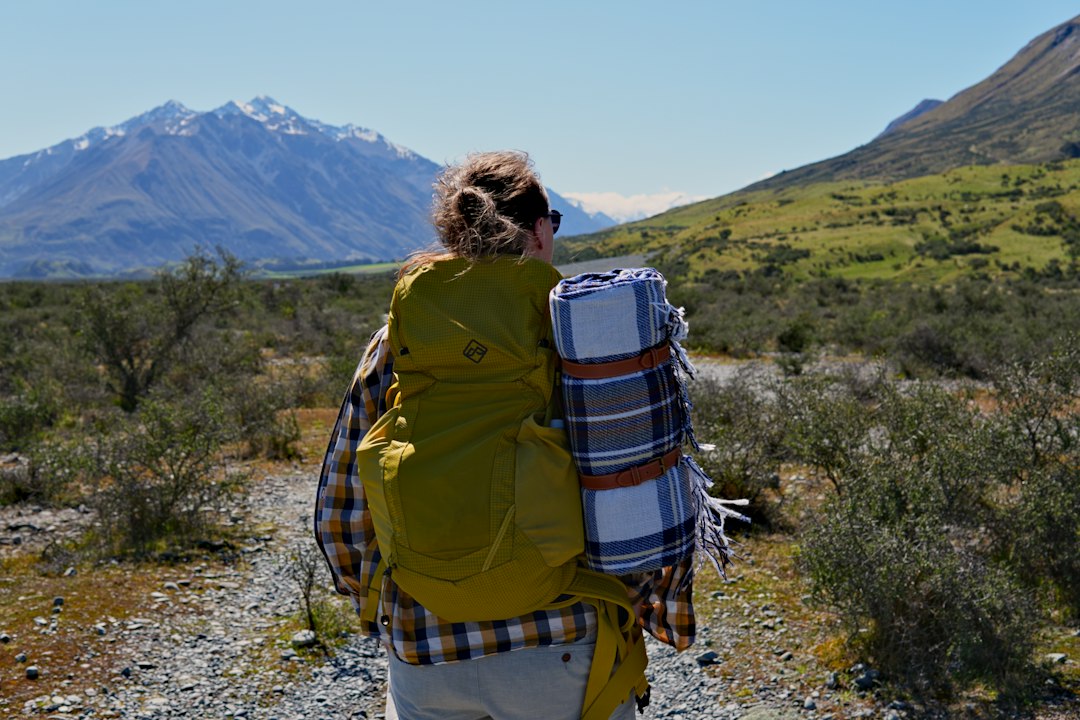
Your choice of gear can make or break your backpacking experience. Start by investing in a high-quality backpack that fits comfortably and has enough capacity for your needs. Look for features like adjustable straps, a hip belt for weight distribution, and compartments for organization. Additionally, consider your sleeping system, which includes a lightweight tent, sleeping bag, and sleeping pad. These items should be compact and easy to carry, ensuring you can set up camp quickly and comfortably.
Don’t forget about clothing and footwear. Layering is crucial for regulating your body temperature, so pack moisture-wicking base layers, insulating mid-layers, and a waterproof outer layer. Your footwear should be durable and provide good ankle support, especially if you plan on tackling rugged terrain. Remember, the right gear not only enhances your comfort but also contributes to your safety on the trail.
Planning Your Route
Before you hit the trail, it’s essential to plan your route meticulously. Start by researching potential trails that match your skill level and interests. Websites and apps dedicated to hiking can provide valuable information on trail conditions, elevation changes, and points of interest. Make sure to note the distance and estimated time for each segment of your journey, allowing for breaks and unexpected delays.
Once you’ve chosen your route, consider creating a detailed itinerary. Share this with a friend or family member who will not be joining you. Include your planned start and end points, as well as any campsites or landmarks you intend to visit. This step is crucial for safety, as it ensures someone knows your whereabouts in case of an emergency.
Understanding Safety Protocols
Safety should always be your top priority when backpacking alone. Familiarize yourself with basic wilderness survival skills, such as how to purify water, build a fire, and navigate using a map and compass. Additionally, carry a first aid kit tailored to your needs, including any personal medications. Knowing how to respond to common injuries or emergencies can make a significant difference in your experience.
Another important aspect of safety is understanding wildlife encounters. Research the types of animals you may encounter on your trip and learn how to react appropriately. For instance, knowing how to store food properly can help prevent unwanted visits from bears or other wildlife. Always respect nature and maintain a safe distance from animals.
Mindset and Mental Preparation
Preparing mentally for your solo backpacking trip is just as important as physical preparation. Embrace the idea of solitude and the opportunity for self-discovery that comes with it. Solo backpacking can be a powerful way to connect with nature and reflect on your life. However, it’s essential to acknowledge that you may experience moments of loneliness or doubt.
To combat these feelings, set realistic expectations for your trip. Understand that challenges will arise, and it’s okay to feel overwhelmed at times. Practice mindfulness techniques, such as deep breathing or meditation, to help ground yourself during difficult moments. Remember, every step you take is a step towards personal growth and adventure.
Checklist: Essential Action Items
As you prepare for your solo backpacking trip, keep this checklist in mind: Research your chosen trail, pack your gear strategically, share your itinerary with someone you trust. Following these steps will ensure you are well-prepared and ready to embrace the adventure that awaits you.
In conclusion, preparing for your first solo backpacking trip requires careful planning and consideration. By choosing the right gear, planning your route, understanding safety protocols, and preparing mentally, you can set yourself up for a successful and fulfilling adventure. Embrace the journey, and let the great outdoors inspire you!