
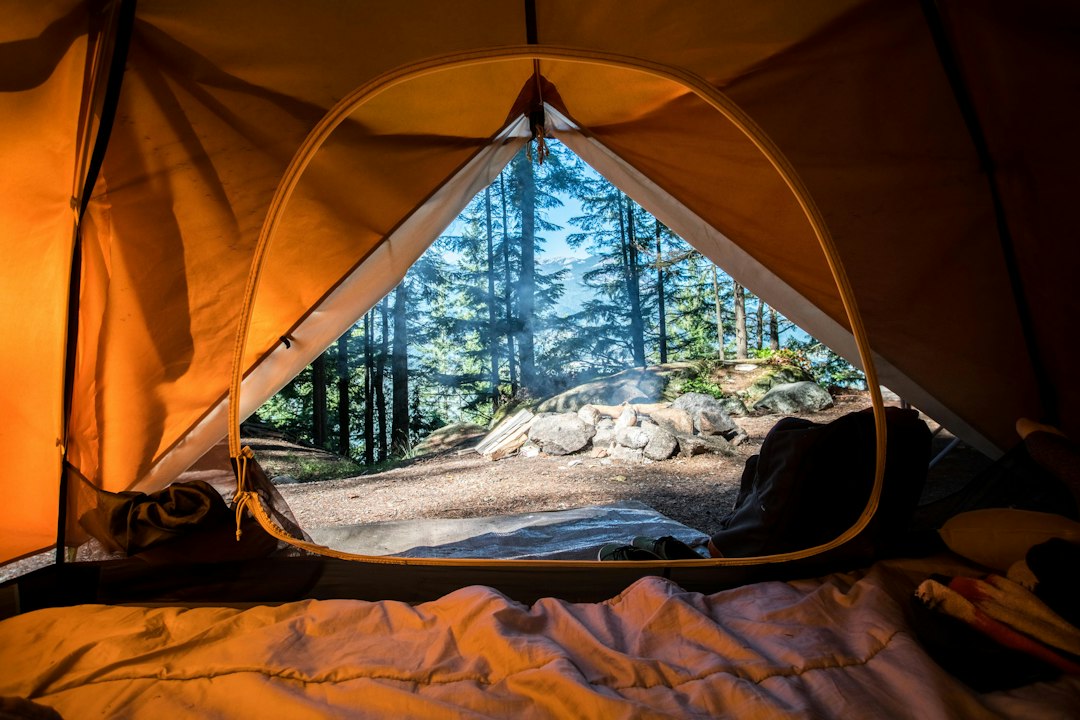
Hiking is more than just a pastime; it’s a way to connect with nature, challenge oneself, and explore the great outdoors. As the popularity of hiking continues to rise, so does the demand for quality adventure equipment. According to recent market research, the outdoor recreation market is projected to reach $887 billion by 2025, with hiking gear being a significant contributor to this growth. This article will explore the top 10 essential items you need for your next hiking adventure, ensuring you are well-prepared for whatever the trail throws your way.
1. Durable Hiking Boots
Your choice of footwear can make or break your hiking experience. A good pair of hiking boots provides the necessary support and traction to navigate various terrains. Recent studies indicate that 70% of hikers experience discomfort due to improper footwear, emphasizing the importance of investing in a quality pair. Look for boots that are waterproof, breathable, and have a solid grip to keep your feet comfortable and safe.
When selecting hiking boots, consider the type of terrain you’ll be traversing. For rocky trails, opt for boots with stiffer soles for better support. If you’re planning a long-distance hike, lightweight boots may be more suitable to reduce fatigue. Remember, breaking in your boots before the hike is crucial to avoid blisters and discomfort.
2. Weather-Appropriate Clothing
Layering is key when it comes to hiking attire. The weather can change rapidly in the mountains, so it’s essential to wear clothing that can adapt to varying conditions. Start with moisture-wicking base layers, add insulating layers, and finish with a waterproof outer layer. According to a survey, 65% of hikers reported that wearing the right clothing significantly improved their overall hiking experience.
Investing in high-quality, breathable fabrics will help regulate your body temperature and keep you dry. Avoid cotton, as it retains moisture and can lead to discomfort. Instead, choose synthetic or wool materials that wick away sweat and provide insulation even when wet.
3. Hydration System
Staying hydrated is crucial during any hiking adventure. Dehydration can lead to fatigue, dizziness, and decreased performance. A hydration system, such as a water bladder or a durable water bottle, is essential for carrying enough water on your hike. Recent statistics show that hikers who drink water regularly are 30% less likely to experience fatigue.
When selecting a hydration system, consider the duration of your hike and the availability of water sources along the trail. A hydration pack is ideal for longer hikes, as it allows for hands-free drinking. Ensure your system is easy to clean and refill to maintain hygiene and convenience.
4. Navigation Tools
Even the most experienced hikers can get lost, making navigation tools indispensable. A reliable map and compass, or a GPS device, can help you stay on track and avoid getting lost in unfamiliar territory. Recent studies indicate that 40% of hikers rely solely on their smartphones for navigation, which can be risky if the battery dies or signal is lost.
Familiarize yourself with your navigation tools before heading out. Practice reading maps and using a compass to build confidence in your navigation skills. Additionally, consider downloading offline maps on your smartphone as a backup, but always carry a physical map as a primary resource.
5. First Aid Kit
Accidents can happen, and being prepared with a first aid kit can make a significant difference. A well-stocked first aid kit should include bandages, antiseptic wipes, pain relievers, and any personal medications. According to recent surveys, 25% of hikers reported needing first aid assistance during their adventures, highlighting the importance of being prepared.
Before your hike, familiarize yourself with the contents of your first aid kit and know how to use each item. Consider taking a basic first aid course to enhance your skills and confidence in handling emergencies. Remember, being prepared can turn a potential crisis into a manageable situation.